- English
- Español
- Português
- русский
- Français
- 日本語
- Deutsch
- tiếng Việt
- Italiano
- Nederlands
- ภาษาไทย
- Polski
- 한국어
- Svenska
- magyar
- Malay
- বাংলা ভাষার
- Dansk
- Suomi
- हिन्दी
- Pilipino
- Türkçe
- Gaeilge
- العربية
- Indonesia
- Norsk
- تمل
- český
- ελληνικά
- український
- Javanese
- فارسی
- தமிழ்
- తెలుగు
- नेपाली
- Burmese
- български
- ລາວ
- Latine
- Қазақша
- Euskal
- Azərbaycan
- Slovenský jazyk
- Македонски
- Lietuvos
- Eesti Keel
- Română
- Slovenski
- मराठी
- Srpski језик

How to Choose the Right Light EV Pickup Truck for Your Needs?
Article Summary: Light EV pickup trucks are rapidly becoming a preferred solution for urban logistics, small businesses, and environmentally conscious users. This article provides a structured guide to understanding their core features, evaluating performance parameters, comparing key specifications, and selecting the right model based on real-world needs. It addresses common concerns such as range anxiety, payload capacity, charging infrastructure, and total cost of ownership.
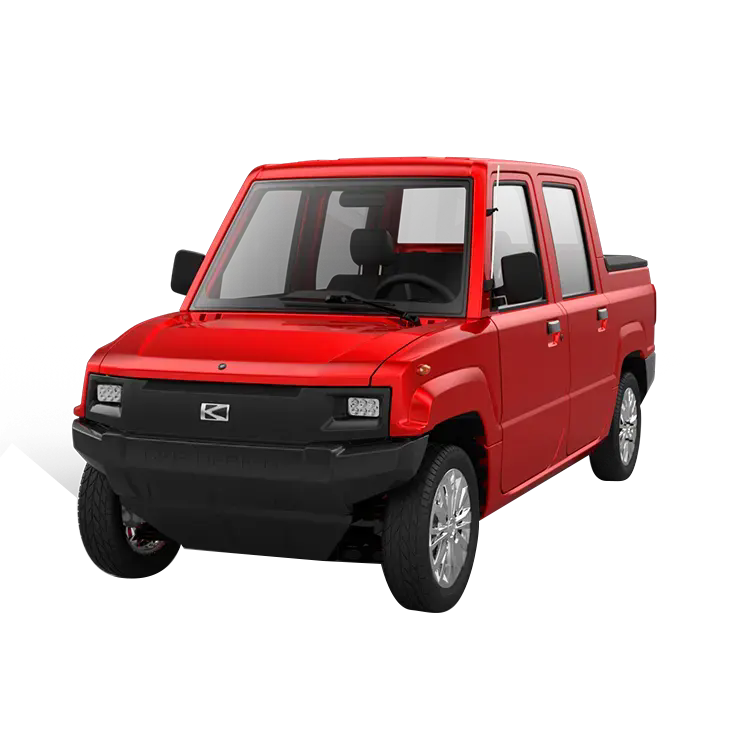
Table of Contents
1. Overview of Light EV Pickup Trucks
2. Common Customer Pain Points
3. Key Features to Evaluate
4. Specification Comparison Table
5. How to Select the Right Model
6. Typical Application Scenarios
7. Frequently Asked Questions
8. Conclusion
1. Overview of Light EV Pickup Trucks
A Light EV Pickup Truck is a compact electric utility vehicle designed to combine the versatility of traditional pickup trucks with the efficiency of electric mobility. These vehicles are engineered for short-to-medium distance transportation, offering zero emissions, low operating costs, and simplified maintenance.
Unlike conventional fuel-powered pickups, light electric models utilize battery systems and electric drivetrains, making them ideal for urban delivery, industrial parks, agricultural use, and last-mile logistics.
Manufacturers such as HeRun Technology(Yunnan) Co., Ltd. are actively developing innovative solutions that balance durability, efficiency, and affordability, making these vehicles accessible across global markets.
2. Common Customer Pain Points
Before purchasing a Light EV Pickup Truck, most buyers encounter several critical concerns. Understanding these pain points helps guide a more informed decision:
- Limited Driving Range: Concerns about battery capacity and daily operational coverage.
- Charging Infrastructure: Availability of charging stations and charging time efficiency.
- Payload Capacity: Whether the vehicle can handle commercial transport requirements.
- Initial Investment Cost: Higher upfront cost compared to traditional vehicles.
- Battery Lifespan: Durability and replacement cost of battery systems.
Addressing these factors is essential for selecting a model that aligns with operational demands.
3. Key Features to Evaluate
When assessing a Light EV Pickup Truck, focus on the following technical and functional parameters:
Battery Capacity and Range
The battery determines how far the vehicle can travel on a single charge. For urban use, a range of 150–300 km is typically sufficient.
Motor Power
Motor output affects acceleration, load handling, and performance on slopes. Higher wattage motors provide better torque.
Payload and Cargo Bed Size
Ensure the truck meets your load requirements. Compact models usually support 500–1500 kg payload.
Charging Time
Fast charging capabilities significantly improve operational efficiency, especially for fleet users.
Build Quality and Durability
Look for reinforced chassis, corrosion resistance, and weatherproof design for long-term reliability.
4. Specification Comparison Table
| Parameter | Standard Model | Advanced Model |
| Battery Type | Lead-acid | Lithium-ion |
| Driving Range | 120–180 km | 200–320 km |
| Motor Power | 3 kW | 5–8 kW |
| Payload Capacity | 800 kg | 1200–1500 kg |
| Charging Time | 6–8 hours | 2–4 hours |
| Maintenance Cost | Low | Very Low |
5. How to Select the Right Model
Choosing the right Light EV Pickup Truck requires aligning vehicle specifications with operational requirements.
Step 1: Define Usage Scenario
- Urban delivery: prioritize range and maneuverability
- Industrial use: focus on payload and durability
- Agricultural transport: consider terrain adaptability
Step 2: Evaluate Total Cost of Ownership
Include purchase price, electricity cost, maintenance, and battery replacement over time.
Step 3: Assess Charging Infrastructure
Ensure access to reliable charging stations or install private charging systems.
Step 4: Verify Compliance and Certifications
Check local regulations for road legality, safety standards, and environmental compliance.
Step 5: Choose a Reliable Manufacturer
Partnering with established suppliers like HeRun Technology(Yunnan) Co., Ltd. ensures consistent product quality, technical support, and after-sales service.
6. Typical Application Scenarios
Light EV Pickup Trucks are widely used across multiple industries:
- Last-mile Delivery: Efficient for e-commerce and courier services
- Municipal Services: Waste collection, maintenance operations
- Agriculture: Transport of tools, crops, and materials
- Construction: Lightweight material handling within sites
- Warehouse Logistics: Internal transportation in large facilities
Their versatility and eco-friendly design make them suitable for both commercial and private use.
7. Frequently Asked Questions
Q1: How long does the battery of a Light EV Pickup Truck last?
A: Typically, lithium-ion batteries last 5–8 years depending on usage patterns and charging cycles.
Q2: Is a Light EV Pickup Truck suitable for heavy-duty transport?
A: These vehicles are designed for light to medium-duty tasks. For heavy-duty applications, larger electric trucks are recommended.
Q3: What is the average charging cost?
A: Charging costs vary by region but are significantly lower than fuel expenses, often reducing operating costs by 50–70%.
Q4: Can these trucks operate in extreme weather?
A: Yes, but performance may vary. Advanced models include temperature management systems for improved reliability.
8. Conclusion
Light EV Pickup Trucks represent a practical and forward-looking solution for modern transportation challenges. By understanding key specifications, evaluating real-world needs, and addressing common concerns, businesses and individuals can make informed purchasing decisions.
As the demand for efficient and sustainable vehicles continues to grow, companies like HeRun Technology(Yunnan) Co., Ltd. are driving innovation in this sector, offering reliable and cost-effective solutions tailored to diverse industries.
If you are exploring high-performance Light EV Pickup Trucks designed for durability and efficiency, contact us today to discover tailored solutions that meet your exact requirements.
Previous:No News